Common access problems West Kensington removals: how to plan, avoid delays, and move with less stress
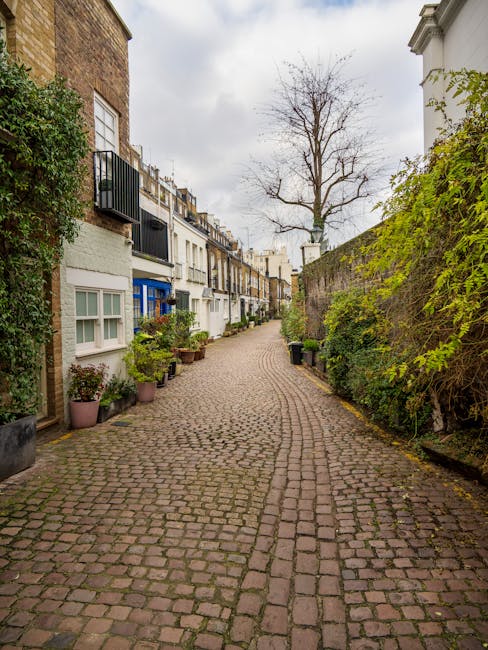
If you are preparing a move, the phrase Common access problems West Kensington removals probably sounds painfully familiar already. Narrow roads, tight stairwells, awkward parking, limited lift access, and shared entrances can turn a simple move into a juggling act. In West Kensington, that is not unusual; it is just part of moving in a busy London neighbourhood where flats, terraces, and converted buildings often make access the real challenge.
The good news? Most access issues can be managed with the right preparation. In this guide, we will break down the problems people run into, why they matter, how removals teams usually work around them, and what you can do to keep the day moving. If you want a smoother move, a bit of planning goes a very long way.
For readers comparing moving help, it can also be useful to look at broader service options such as removals, flat removals, home moves, and man and van support, especially if your property access is more complicated than average.
Table of Contents
- Table of contents
- Why Common access problems West Kensington removals Matters
- How Common access problems West Kensington removals Works
- Key Benefits and Practical Advantages
- Who This Is For and When It Makes Sense
- Step-by-Step Guidance
- Expert Tips for Better Results
- Common Mistakes to Avoid
- Tools, Resources and Recommendations
- Law, Compliance, Standards, or Best Practice
- Options, Methods, or Comparison Table
- Case Study or Real-World Example
- Practical Checklist
- Conclusion
- Frequently Asked Questions
Table of contents
- Why access problems matter in West Kensington removals
- How access planning works on moving day
- Key benefits of solving access issues early
- Who this guide is for
- Step-by-step guidance
- Expert tips for better results
- Common mistakes to avoid
- Tools, resources and recommendations
- Law, compliance, standards and best practice
- Options and comparison table
- Case study / real-world example
- Practical checklist
- Conclusion
- Frequently asked questions
Why Common access problems West Kensington removals Matters
Access is not just a small detail. It affects how long the move takes, how many people are needed, what type of vehicle can be used, whether large furniture will fit, and how safely everything can be carried. In other words, access is often the difference between a move that feels organised and one that turns into a long, exhausting faff.
In West Kensington, access issues often matter more than in suburban moves because buildings tend to be closer together, parking is tighter, and many homes sit above street level. A removals team may arrive ready to work, only to discover there is no practical space for loading near the entrance. That means extra walking, slower lifting, more risk of damage, and sometimes extra labour. Not ideal, really.
There is also a trust angle here. A good moving company should ask the right questions before the move. If they do not, you can end up paying for avoidable delays or discovering on the day that a sofa will not turn the corner. That is the sort of surprise nobody wants when boxes are already stacked in the hallway.
For businesses, the stakes can be even higher. Office relocations and commercial moves often need fast access, loading coordination, and careful timing so staff, equipment, and documents are not left exposed. If you are moving a workplace, pages like office removals, office relocation services, and commercial moves are particularly relevant.
How Common access problems West Kensington removals Works
Access planning usually starts before the van arrives. A removals team will want to know what the property looks like, where the entrance is, whether there is a lift, what floor the property is on, and how close the vehicle can get to the front door. That information helps them decide the right team size, equipment, vehicle type, and loading sequence.
In practical terms, "access problems" can mean several different things:
- Narrow streets or limited parking near the property.
- Shared entrances that are busy, awkward, or awkwardly timed.
- Stairs, split levels, or no lift in flats and converted houses.
- Restricted loading zones or time-limited stopping points.
- Long walking distances between the vehicle and the door.
- Low ceilings, tight corners, or small doorframes inside the property.
- Building rules that limit when moves can happen or how equipment can be used.
A professional team will usually plan for the worst realistic case and hope for the best. That might mean bringing extra blankets, shoulder straps, dollies, or a larger vehicle. It can also mean splitting the move into smaller loads if the road is tight or the building access is awkward. Not glamorous, but effective.
If you are short on time and need flexibility, services like same day removals or a more adaptable removal van setup can be useful, though only if the access situation has been clearly explained in advance.
Key Benefits and Practical Advantages
Sorting access issues early gives you more than convenience. It reduces risk, saves time, and makes costs easier to predict. Here are the main benefits in plain English.
- Fewer delays: If the team knows about parking issues or stair-only access, they can plan properly.
- Lower chance of damage: Tight corners and rushed carrying are where walls, banisters, and furniture tend to get scuffed.
- Better cost control: The quote is more likely to match the real job if access is described accurately.
- Less stress on moving day: You are not standing in the doorway wondering if the wardrobe will fit through it. Been there, seen the panic.
- Safer handling: Good planning helps protect both people and belongings.
There is also a hidden benefit: better communication. When you explain the building clearly, you usually get a more honest recommendation about vehicle size, crew numbers, packing, and timing. That can be especially helpful if you are choosing between man with a van support, full removal services, or a more hands-on option such as man with van.
Expert takeaway: the best removals are rarely the ones with the fanciest vehicle. They are the ones where access was checked properly, the team knew the route, and nobody had to improvise under pressure.
Who This Is For and When It Makes Sense
This guide is for anyone moving in or out of West Kensington where access is not straightforward. That includes flat movers, families in maisonettes, students in shared accommodation, office teams, and anyone in a converted property with awkward stairs or a difficult landing area.
It also makes sense if your move looks simple at first glance but has one or two hidden snags. Maybe the front entrance is shared. Maybe the street is busy at school run time. Maybe the furniture includes a piano, a large wardrobe, or a bulky desk that has not yet been measured properly. That sort of thing is where things get interesting, and not in a fun way.
Some common examples:
- A top-floor flat with no lift and a narrow stairwell.
- A terraced house with no driveway and limited roadside parking.
- An office move where lift bookings must be made in advance.
- A student move with lots of boxes but very little space for a van to wait.
- A property with large, awkward items such as beds, sofas, or a keyboard piano.
If your situation sounds like that, services such as student removals, house removals, or piano removals may be more suitable than a one-size-fits-all approach.
Step-by-Step Guidance
Here is a practical way to handle access problems before moving day. Nothing fancy. Just the stuff that actually helps.
- Walk the route from the property to the vehicle spot. Notice doors, steps, slopes, gates, lifts, and tight bends.
- Measure the awkward items. Doorways are the obvious one, but stair turns and hall widths matter too.
- Check parking and stopping options. If the van cannot park right outside, work out the walking distance.
- Speak to the building manager or landlord if needed. Some buildings have booking slots, lift rules, or loading restrictions.
- Tell the removals team the full picture. Not just the postcode. The reality. The tiny reality that decides everything.
- Pack with access in mind. Heavy boxes should be manageable, and fragile items should not need awkward last-minute repacking.
- Reserve a backup plan. Storage, a second trip, or extra helping hands can save the day if access is worse than expected.
A good team will often suggest a smaller vehicle, more porters, or a different time slot if that makes the move easier. That is not overcautious. It is experience.
When access is especially tight, you may also want to think about support for packing and boxes or packing and unpacking services. Well-packed items are quicker to carry and less likely to get damaged when the route is a bit of a maze.
Expert Tips for Better Results
Over the years, one thing becomes clear: the move usually goes better when people are honest about the awkward bits. That sounds obvious, but it is amazing how often someone says, "It's basically fine," when the real answer is "there are two flights of stairs, a narrow hallway, and nowhere legal to stop."
- Send photos of entrances, stairs, and the street. A few pictures can reveal more than a long phone call.
- Measure furniture before the move. Don't assume a sofa that came in once will go out easily. Sometimes it did a whole little dance getting in there.
- Avoid packing overly heavy boxes. Access problems become much worse when the load itself is awkward.
- Plan around busy times. School runs, commuter traffic, and weekend loading congestion can all slow things down.
- Use colour-coded labels. If items need to be carried in a specific order because of access, clear labelling helps.
- Keep the entrance clear. Shoes, prams, bikes, plant pots, and random hallway clutter all add friction.
One small but useful detail: if your building has a lift, check whether it is large enough for furniture and whether it can be booked. People often assume the lift is the easy part. Sometimes it is, but sometimes it turns into a strict timetable with a red light and a bell that never seems to stop.
If you need a more flexible moving setup, a moving truck or removal truck hire arrangement may suit larger loads, while smaller jobs may be easier with removal van transport.
Common Mistakes to Avoid
Access problems become expensive when people underestimate them. The most common mistakes are not complicated, which is exactly why they happen so often.
- Failing to mention stairs or no lift: It sounds minor until the team arrives with a plan built for easy access.
- Ignoring parking restrictions: A van that cannot stop nearby changes the whole pace of the move.
- Leaving measurements until the last minute: Large furniture should be checked early, not while the van is idling outside.
- Assuming the quote covers every obstacle: Always clarify whether access difficulties could affect time or cost.
- Packing in a rush: Overfilled boxes and loose items make narrow access far more awkward.
- Not booking building access: In some blocks, this is the difference between a smooth move and a very long morning.
And one more, because it matters: do not leave the team to discover the layout on arrival if you already know the access is tricky. That is how minor issues become big ones. Simple as that.
Tools, Resources and Recommendations
You do not need specialist equipment for every move, but the right tools make a noticeable difference when access is tight.
- Measuring tape: Useful for door widths, stair landings, furniture dimensions, and lift doors.
- Phone camera: Take quick photos of entrances, corridors, parking spaces, and obstacles.
- Protective packing materials: Blankets, tape, wrap, and strong boxes help items move faster and safer.
- Labels and marker pens: Make room-by-room loading easier.
- Hand truck or trolley: Helpful for boxes and smaller furniture where the route allows it.
For customers who want a more hands-off move, furniture removals and furniture pick up can be useful when a few large items are causing the main access headache rather than a full property move.
You may also want to review the moving company's wider service pages and policies. For example, insurance and safety, health and safety policy, and pricing and quotes can give a clearer picture of how the company handles risk, planning, and cost transparency.
Law, Compliance, Standards, or Best Practice
For a home or office move, the most relevant point is not legal jargon, it is sensible practice. In the UK, removals work should be carried out with proper attention to safety, property handling, and honest communication about the service being provided. If access issues are likely to affect the job, that should be discussed clearly before moving day.
Best practice usually includes:
- making realistic assessments of access before confirming the booking;
- choosing suitable vehicles and equipment for the site;
- protecting people, property, and belongings during loading and unloading;
- avoiding unsafe lifting or rushing in cramped spaces;
- keeping customers informed if extra time or effort becomes necessary.
If you are checking a company's trust signals, it can also help to review pages such as terms and conditions, privacy policy, and payment and security. They will not solve a narrow staircase, of course, but they do show how the business handles important details.
And if you ever feel unsure about how a move will be handled, it is perfectly reasonable to ask more questions. Better to ask twice than carry a sofa down three flights and realise the plan was, shall we say, optimistic.
Options, Methods, or Comparison Table
Different access problems call for different moving methods. Here is a practical comparison to help you judge what may fit best.
| Access situation | Best approach | Why it works |
|---|---|---|
| Street parking close to the door | Standard removals team | Fast loading, fewer carrying metres, easier scheduling |
| No lift, multiple flights of stairs | Extra labour and careful planning | Reduces strain and helps avoid delays |
| Tight road or limited stopping space | Smaller vehicle or split-load move | Makes manoeuvring easier and keeps the move legal and safe |
| Single bulky item | Focused furniture service | More efficient than booking a full move for one awkward piece |
| Urgent move with unclear access | Flexible same-day support | Useful when timing matters, provided the access is explained honestly |
There is no perfect one-size-fits-all answer. A top-floor flat with a tight staircase will not move like a ground-floor office, and that is fine. The point is choosing the right method rather than forcing the wrong one.
Case Study or Real-World Example
Imagine a typical West Kensington flat move on a weekday morning. The property is on the third floor, there is no lift, and the street has limited stopping space. The occupants have a sofa, a bed frame, six medium boxes, two heavy book boxes, and a dining table that is probably just a little too long for comfort.
If the team arrives without warning, the first few minutes are spent figuring out parking, measuring the staircase turn, and deciding who should carry what. The job still gets done, but it takes longer and everyone feels the strain. The movers end up walking the same route again and again, and the hallway starts to feel very small indeed.
Now imagine the same move with proper access planning. The customer has shared photos in advance, the team knows the stairwell is narrow, the van parks as close as legally possible, and the heavy book boxes are packed into smaller loads. The furniture is wrapped properly, the sequence is planned, and the move feels calm, even if it is not exactly quiet. That is the difference a few useful details can make.
For moves like that, many people also find it helpful to combine packing and unpacking services with a service such as flat removals. It keeps the work more organised and can make access bottlenecks less painful.
Practical Checklist
Use this checklist before moving day. It is simple, but that is the point.
- Confirm the full property layout, including stairs, lift access, and entrance type.
- Measure doorways, hallways, and large furniture items.
- Check parking, stopping restrictions, and loading space.
- Ask whether the building needs lift bookings or timed access.
- Share photos of the entrance, staircase, and any awkward corners.
- Pack heavy items into smaller boxes where possible.
- Tell the removals team about fragile, oversized, or unusually shaped items.
- Prepare keys, fobs, and building codes in advance.
- Keep corridors and entrances clear on moving day.
- Have a backup plan if access turns out to be tighter than expected.
Quick summary: if you can describe the access clearly, you can usually manage it. If you cannot describe it clearly, take photos. That works surprisingly well.
Conclusion
Common access issues in West Kensington removals are normal, but they should never be treated casually. Tight streets, stair-only flats, limited parking, and awkward entrances can all change the shape of a move very quickly. The real skill is not pretending those problems do not exist. It is spotting them early, planning around them, and choosing a removals service that takes them seriously.
With a bit of preparation, most access problems become manageable rather than stressful. You may still hear a few thumps, see a few careful turns, and feel a little tired by the end of the day, but that is moving. A little chaos is part of the territory. The goal is just to keep it controlled.
If you are comparing options, reviewing the right service pages, and thinking through access in advance, you are already ahead of most moving-day headaches. And honestly, that small bit of preparation can make the whole process feel much more human and a lot less frantic.
Get a free quote today and see how much you can save.
Frequently Asked Questions
What are the most common access problems in West Kensington removals?
The most common issues are narrow roads, limited parking, no lift access, tight stairwells, and long walking distances from the vehicle to the property entrance. In converted flats, doorways and corners can also be awkward.
How do I know if my property has difficult access?
If you have stairs, no driveway, a shared entrance, or a building where large furniture has to turn corners carefully, the access is probably not straightforward. A quick walk-through and a few photos usually make this clearer.
Should I tell the removals company about access problems before booking?
Yes, definitely. The more accurate the information, the more likely the quote, vehicle choice, and team size will match the actual job. That helps avoid delays and awkward surprises on the day.
Can access problems change the price of a removal?
They can. Extra carrying distance, more labour, or the need for a different vehicle may affect the cost. It depends on the job, so it is best to discuss the access properly before confirming anything.
What if my flat is on an upper floor with no lift?
That is very common in London and usually manageable with the right planning. The team may need more time or more people, and smaller, lighter boxes will make a noticeable difference.
Do I need to reserve parking for the moving van?
Sometimes yes, sometimes no. It depends on the street, restrictions, and local rules. Even when you do not need a formal reservation, it helps to check the available stopping space and tell the moving team in advance.
Are man and van services suitable for tricky access?
They can be, especially for smaller moves or when flexibility matters. For very awkward access, it is important to explain the situation clearly so the vehicle size and loading plan are appropriate.
What should I measure before moving day?
Measure door widths, stair turns, hallway space, lift dimensions if relevant, and the largest furniture items. That gives you a realistic picture of what will fit and where the main risks are.
Can I still move the same day if access is difficult?
Yes, sometimes, but only if the company can adapt to the access conditions. Services like same day removals are most useful when the route, parking, and property layout have been discussed honestly.
What happens if a sofa or wardrobe will not fit?
The team may try a different angle, remove legs, or take a different route through the property. If it still will not fit, they may need to leave it behind temporarily, store it, or arrange a separate solution.
Is packing important when access is tight?
Very. Well-packed boxes are easier to carry, stack, and move quickly. Overpacked boxes slow everything down and make stair carrying much harder than it needs to be.
Where can I find more information about the company's standards and policies?
Useful pages to review include the health and safety policy, insurance and safety information, pricing and quotes, and terms and conditions. They help show how the business handles planning, risk, and customer expectations.